
A kitchen redesign often starts with a frustrating clue: the faucet delivers low pressure, the sink drain takes minutes to clear, or brownish water appears after the tap has been idle. Damp patches inside the cabinet can point to a loose supply line or failed trap rather than a surface spill. We can trace how those symptoms connect before new cabinets, a dishwasher, or a deeper sink lock the old plumbing in place.
A slow drain caused by a greasy trap can sometimes wait a day or two while you limit sink use and keep a pan under the cabinet. Do not wait if water is pooling near an outlet, a supply valve will not shut off, discoloured water is spreading through hot and cold taps, or a pipe is banging hard. Those signs can damage flooring, cabinets, or the main water line.
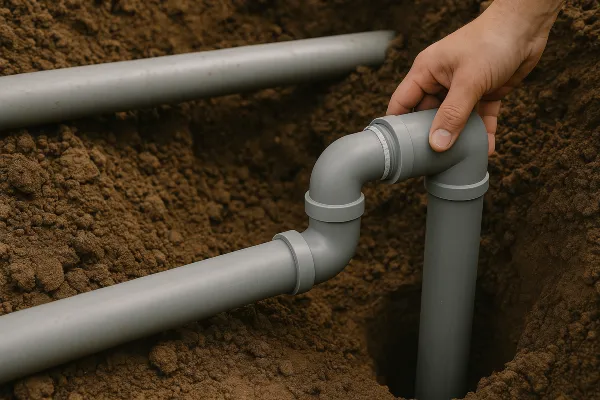
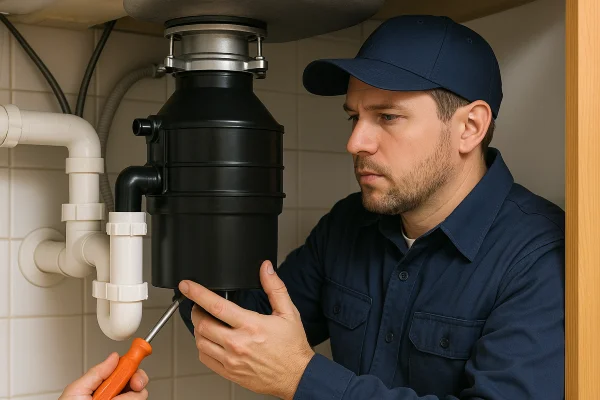
Work begins by locating the proposed sink, dishwasher, and refrigerator connections, then isolating the supply at the nearest shut-offs. A technician checks existing supply lines, valves, and the drain route, using camera inspection where a concealed branch may be blocked or cracked. Water Leak Detection and Repair Services can identify moisture behind drywall before it becomes part of a remodel. The findings determine whether the layout needs a new line, a repaired joint, or only fixture changes.
Next, the drain may be cleared through a cleanout with hydro jetting, while old traps and corroded shut-offs are removed. New copper or PEX supply lines are soldered or connected, the sink and dishwasher fixtures are re-seated, and a pressure regulator is checked if pressure has been uneven. For homes with a nearby water heater, the technician may inspect its tank, thermostat, or anode rod. Pressure testing confirms each joint holds before cabinets are closed.
An open crawlspace in an older bungalow gives easier access to a drain than a line buried below a slab in a newer kitchen. Galvanized pipe may have internal scale, while copper can develop pinhole leaks and PEX may simply need rerouting. Cabinet depth, a disposal, and the distance to the vent stack all affect the layout. Once a wall is opened, hidden corrosion or an undersized drain can change the scope.
Learn more about our expert Clogged Line Solutions services.
Materials and timing matter as much as the visible faucet. A localized repair with a new valve or short PEX section may buy roughly two years where the surrounding pipe is already deteriorating; replacing the affected run can make more sense for a system expected to serve about fifteen years. Clogged Line Solutions may involve hydro jetting rather than repeated chemical cleaners. Winter cold snaps and spring rain can also expose weak joints or overload a slow sewer line.
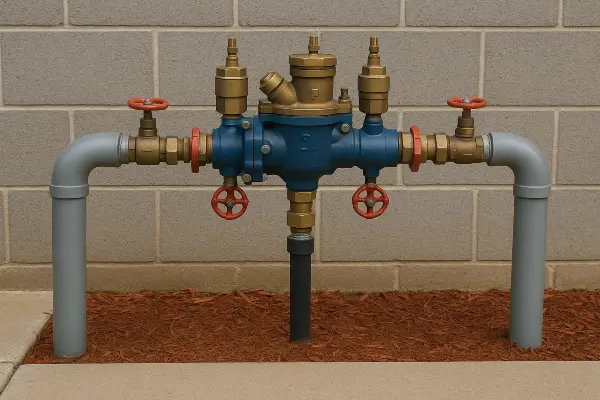
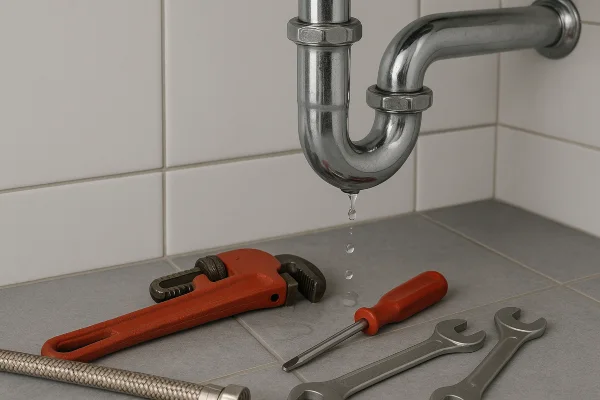
Before hiring in Leander, ask who will inspect the drain path, where shut-offs are located, and how the contractor will protect cabinets, flooring, and electrical outlets. A useful written estimate separates diagnostic work, pipe or valve replacement, fixture installation, permit-related needs if applicable, and wall or cabinet access. It should identify materials such as PEX, copper, a trap, or a pressure regulator, rather than leaving "plumbing work" as an undefined line.
Ask what happens if camera inspection finds a cracked branch line after work begins, and request an explanation of options before any extra work proceeds. A sound contractor explains where water will be isolated, how long the sink may be unavailable, and how pressure testing will be performed after soldering. Confirm who handles cleanup and whether drywall, tile, or cabinet repair is included. Clear answers let you compare scope, not just the first number on an estimate.
EMERGENCY PLUMBER LEANDER
200 W Metro, Leander, TX 78641
(512) 894-6167
info@emergencyplumberleander.com
Hours of Operation
Open 24 Hours